Elderly dog resting peacefully outdoors at sunset, a calm moment near the end of life

When Is It Time? Signs Your Dog Is Nearing the End of Life

If you are wondering how to know if your dog is dying, or when it might be kindest to let them go, you are not alone. This gentle guide explains the signs to look for and includes a quality-of-life checklist to help you think it through.

Dr Jenny Kurtz-Shefford

Written by Dr Jenny Kurtz-Shefford, BVSc CertAVP PGCertVPS MRCVSVeterinary Surgeon, Cartref Home Pet Care · Last reviewed September 2026

The Short, Honest Answer

How do you know when it is time to put your dog down?

There is rarely one perfect moment. It is usually time when your dog's pain, discomfort or distress can no longer be well controlled, and the bad days have started to outnumber the good. The signs your dog is dying are often gradual: eating less, sleeping more, struggling to move and losing interest in the things they love.

Every dog is different, and so is every family. Some dogs slow down gently over months as old age catches up with them; others have a sudden turn with an illness. What matters most is not a diagnosis or an age, but how your dog is actually living day to day: are they comfortable, eating, able to move about, and still enjoying moments with you?

Nobody knows your dog better than you do. Your vet can help with the medical side, but your sense that something has changed is important and worth listening to. If you would like to talk it through, Dr Jenny offers a free, no-pressure phone consultation to help you assess your dog's quality of life, whatever you decide.

If this is an emergency: if your dog has collapsed, is struggling to breathe, is fitting, or is in severe pain, please contact your own vet or the nearest emergency vet straight away. Do not wait for a home visit.


Signs Your Dog May Be Nearing the End of Life

Common signs of a dog dying of old age or illness. One sign alone does not mean it is time, but several together are worth talking to your vet about.

  • Pain and Restlessness

    Panting when resting, pacing at night, struggling to settle, trembling, yelping when touched, or a hunched, tucked-up stance can all be signs of pain that is no longer well controlled.

  • Appetite and Weight Loss

    Turning away from food, even favourite treats, or eating only when hand-fed. Weight and muscle loss along the back and back legs often become noticeable in the final weeks and months.

  • Changes in Breathing

    Faster or more laboured breathing while resting, a persistent cough, or breathing with visible effort from the tummy. Breathing difficulty should always be checked by a vet promptly.

  • Mobility and Falls

    Difficulty getting up, legs sliding out on hard floors, stumbling, being unable to manage stairs or the garden step, or no longer wanting to go for even a short walk.

  • Incontinence

    Accidents in the house, leaking urine while asleep, or being unable to get up in time to go outside. Many dogs find this upsetting, and lying in soiled bedding can lead to sore skin.

  • Withdrawal and Confusion

    Seeming less interested in the family, no longer greeting you at the door, getting stuck in corners, staring at walls or seeming lost in familiar rooms.

  • Changes in Sleep

    Sleeping most of the day but restless, anxious or vocal at night. A reversed sleep pattern is common in older dogs and can be exhausting for the whole household.

  • Losing Interest in Life

    No longer enjoying the things that made them who they are: the walk, the ball, the car ride, the cuddle on the sofa. This is often the sign families notice first, and feel most deeply.

Old dog behaviour before death can also include wanting to be closer to you than usual, or the opposite: seeking out quiet corners and wanting to be left alone. Both are normal.

Common Conditions and What to Watch For

A general guide only. Your own vet knows your dog's history and is the best person to explain what to expect.

Arthritis

Arthritis is very common in older dogs and is often well managed for years with pain relief, weight control, gentle exercise and non-slip rugs. It becomes a quality-of-life concern when your dog is struggling to stand, falling, unable to get outside to toilet, or still clearly sore despite treatment. Many families ask when to euthanise a dog with arthritis; the honest answer is when the pain and loss of mobility outweigh the good moments, and your vet can no longer keep them comfortable.

Cancer

Cancer behaves very differently depending on the type and where it is. Some dogs live comfortably for months with palliative care; others decline quickly. Rather than thinking in fixed stages, watch for the changes that matter to your dog: appetite, weight loss, breathing, pain, bleeding, swelling that affects eating or moving, and energy. Your vet can tell you what to expect for your dog's particular cancer and which signs would mean it is time.

Canine Dementia (Cognitive Dysfunction)

Dementia in dogs can cause confusion, getting lost in the house, night-time waking and pacing, barking or whining for no clear reason, toilet accidents and changes in how they relate to the family. In the early stages many dogs are still content. When families ask about dog dementia and when to put down, we usually talk about anxiety and distress: if your dog seems frightened, unsettled most of the time, or no longer finds comfort in you, their quality of life may be slipping.

Heart Disease

Heart conditions are often controlled with medication for a good while. Signs that heart disease is advancing include breathing faster at rest, coughing (especially at night), fainting, a swollen tummy and tiring very quickly. Counting your dog's resting breathing rate while they sleep, as your vet may suggest, is a simple way to spot changes early.

Kidney Disease

Kidney disease is usually gradual. Dogs may drink and urinate more, lose weight, go off their food, vomit or have unpleasant breath. Diet and medication can help for a time. When your dog is repeatedly refusing food, vomiting or becoming weak and flat, it is worth an honest conversation with your vet about how much time remains comfortable.

Quality-of-Life Checklist for Dogs

A simple quality of life scale for dogs, based on the HHHHHMM scale many vets use.

Score your dog from 0 to 10 in each area, where 0 is very poor and 10 is excellent. Think about the last few days rather than a single good or bad moment. It can help to fill it in with someone else who knows your dog well.

Try repeating it once a week and noting the total. The trend over time often tells you more than any single score. This is not a diagnosis and it cannot make the decision for you, but it can help you put what you are seeing into words.

Hurt

Hurt

Is pain well controlled, and can they breathe comfortably? Watch for panting at rest, restlessness at night, or reluctance to lie down.

0 = very poor10 = excellent
Hunger

Hunger

Are they eating enough to maintain their weight, with or without hand-feeding or help?

0 = very poor10 = excellent
Hydration

Hydration

Are they drinking enough to stay hydrated, without needing regular help or fluids?

0 = very poor10 = excellent
Hygiene

Hygiene

Can they stay clean and comfortable? Consider incontinence, soiling, or sores from lying down for long periods.

0 = very poor10 = excellent
Happiness

Happiness

Do they still show interest in you, their toys, walks, and the world around them?

0 = very poor10 = excellent
Mobility

Mobility

Can they get up, move around, and go to the toilet without falling or needing to be lifted?

0 = very poor10 = excellent
More good days than bad

More good days than bad

Looking back over the last week or two, have there been more good days than bad ones?

0 = very poor10 = excellent

Score each area from 0 to 10 to see your result. 0 of 7 answered.

Based on the HHHHHMM quality-of-life scale developed by veterinary oncologist Dr Alice Villalobos. A total above 35 is generally considered acceptable. This checklist is a guide, not a diagnosis. If you are worried, please speak to your own vet or call us for a free, no-pressure conversation.

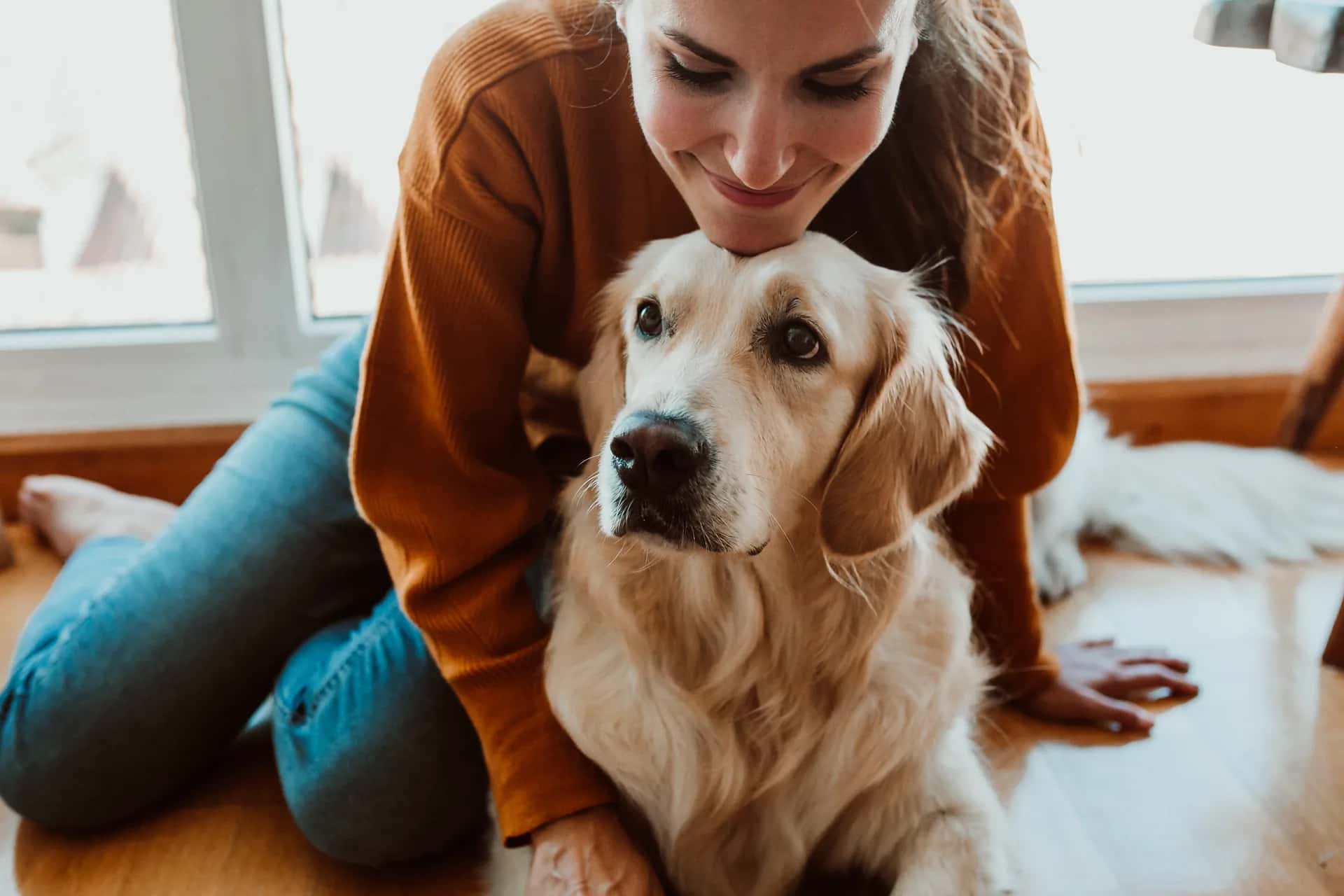
Owner gently comforting their elderly dog at home

Good Days, Bad Days and Making the Decision

There is no right or wrong way to feel. These ideas may help you find some clarity.

  • Keep a Simple Diary

    Mark each day on a calendar as good or bad. It is easy to lose track when you are worried, and a diary shows you the pattern clearly. When bad days start to outnumber the good ones, it is a gentle signal that things are changing.

  • List Three Favourite Things

    Write down three things your dog loves most, such as greeting you at the door, a particular walk or a game. When they can no longer enjoy most of them, their world has become very small.

  • Better a Week Too Early

    Many vets share the view that it is kinder to say goodbye a week too early than a day too late. It is a hard thought, but it reflects a truth: a planned, peaceful goodbye on a calm day spares your dog a crisis.

  • Plan Ahead If You Can

    It is completely okay to decide before an emergency. Planning lets you choose the day, the place and who is there, whether that is the garden in the sunshine or their bed by the fire.

Feeling guilt, doubt or relief is completely normal. Choosing a peaceful goodbye is not giving up on your dog; it is one last act of care. When you feel ready, our pet loss and remembrance guide may help with what comes after.

What Happens When a Dog Is Put to Sleep at Home

Knowing what to expect can ease some of the fear. Every step is calm, gentle and unhurried.

  1. Get in Touch

    Call or complete our enquiry form. We'll have a gentle conversation about your pet and arrange a convenient time to visit.

  2. We Visit Your Home

    Dr Jenny arrives at your home. She'll take time to meet your pet and answer any last questions in a calm, unhurried way.

  3. Gentle Sedation

    A gentle sedative helps your pet drift into a deep, peaceful sleep. They'll be completely relaxed and pain-free within minutes.

  4. Time Together

    Take as long as you need with your sleeping pet. Hold them, talk to them, say your goodbyes. There's no rush at all.

  5. Peaceful Passing

    When you're ready, the final injection is given. It's painless and your pet simply doesn't wake from their peaceful sleep.

  6. Aftercare

    We handle everything with dignity and respect. If you've chosen cremation, your pet's ashes will be returned within 7-10 days.

Your dog can stay on their own bed, the sofa or in the garden, with the family, including children and other pets, close by. The sedation means they drift off to sleep first, so they are deeply relaxed and unaware before the final injection is given.

Our home euthanasia service is £295, and includes a fur clipping keepsake. If you would like your dog cremated individually, the service with private cremation is from £520, with ashes returned in 7–10 working days. You can read more about pet cremation and what it costs to put a pet to sleep.

Talk It Through With Dr Jenny

You do not have to work this out on your own.

If you are unsure whether it is time, we offer a free phone consultation. Jenny will listen to what you are seeing at home, talk through your dog's comfort and quality of life, and answer any questions honestly. There is no pressure to book anything. Sometimes the most helpful outcome is knowing you still have some good time together.

When you are ready, we can often visit within 24 to 48 hours, and same-day visits are sometimes possible for urgent cases. Evening, weekend and bank holiday visits are available too (additional charges may apply). We are based in Neath and cover homes across South Wales.

  • Free, no-pressure phone consultation
  • Visits often within 24–48 hours
  • Family, children and other pets welcome

Call Jenny on 07472 574773 or send us a message.

Frequently Asked Questions

We understand you may have questions. Here are some of the most common ones we receive.

Common signs a dog is nearing the end of life include eating very little or refusing food, weight and muscle loss, struggling to stand or walk, breathing faster or with more effort at rest, incontinence, restlessness at night, and losing interest in the people and things they love. Several of these together, especially if they are getting worse despite treatment, are a sign to speak to your vet. If your dog has collapsed, is struggling to breathe or is fitting, contact the nearest emergency vet immediately.

There is rarely one perfect moment. It is usually time when your dog's pain or distress can no longer be well controlled and the bad days outnumber the good. A quality-of-life checklist, a diary of good and bad days, and an honest conversation with your vet can all help. Many vets share the view that it is kinder to say goodbye a week too early than a day too late. We offer a free, no-pressure phone consultation if you would like to talk it through.

Many dogs with early canine dementia are still content. It becomes a quality-of-life concern when your dog seems anxious, frightened or unsettled much of the time, paces or cries through the night, no longer recognises family members, gets stuck or lost around the house, or no longer finds comfort in you. Your vet may be able to suggest treatments that help for a while, so it is worth discussing any changes early.

Arthritis can often be managed well for a long time with pain relief, weight control and home adjustments. It may be time when your dog is struggling to get up, falling or unable to get outside to go to the toilet, or is still clearly in pain despite treatment. If their world has shrunk to lying in one place and they can no longer enjoy the things that make them happy, it is worth an honest conversation with your vet.

Dr Jenny will take time to meet your dog and answer any questions. She first gives a gentle sedation so your dog drifts into a deep, peaceful sleep, usually within a few minutes. You can stroke them, hold them and talk to them, and take as long as you need. When you are ready, the final injection is given. It is painless, and your dog simply does not wake up. Family, children and other pets are all welcome.

Many families find it helps to let other pets be present, or to see and sniff their companion afterwards. It may help them understand what has happened rather than wondering where their friend has gone. There is no right or wrong answer, and we are happy to follow whatever feels right for your household.

Here When You Need Us

A free, gentle conversation about your dog's quality of life, and a peaceful goodbye at home when the time comes.