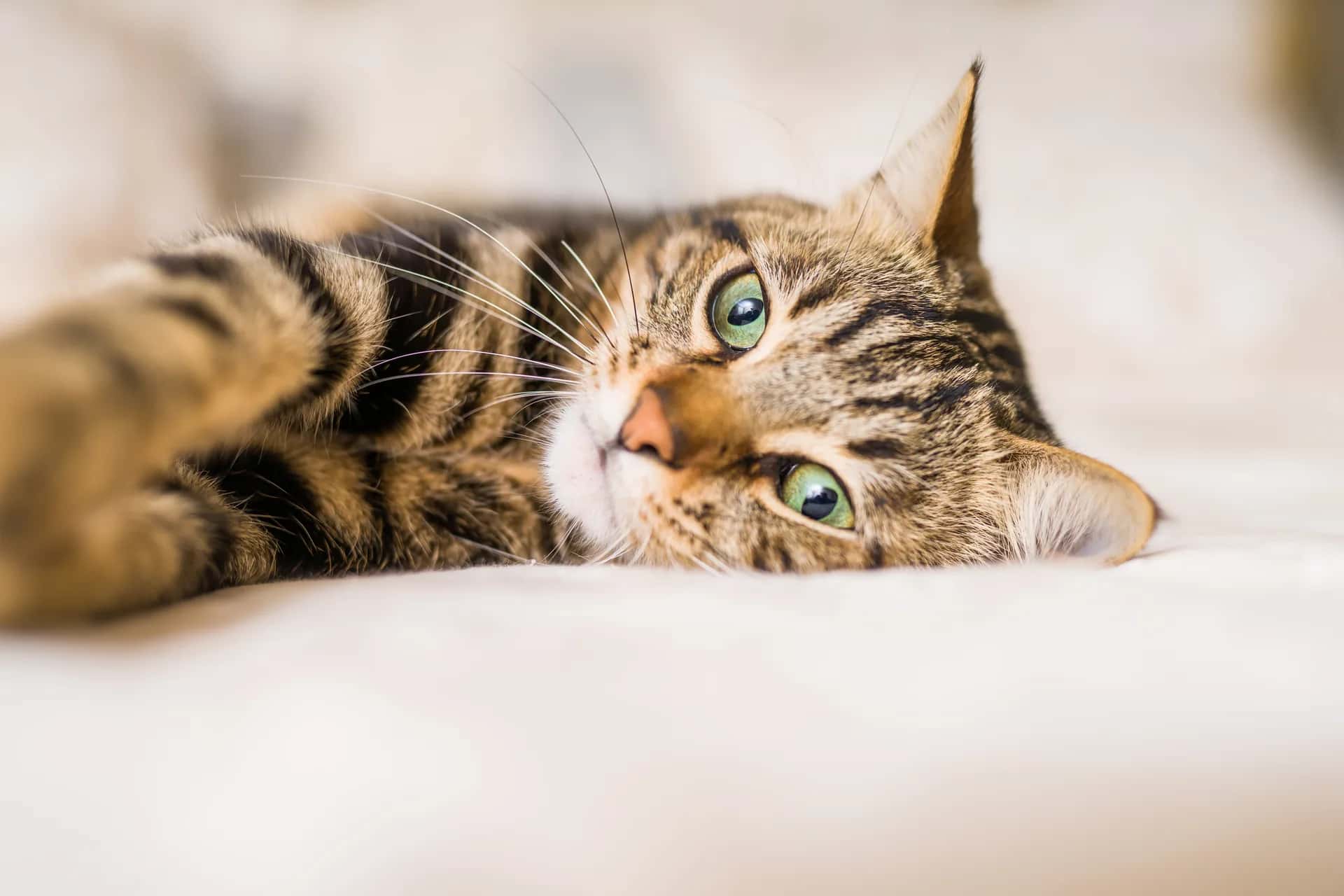
Elderly cat resting peacefully on a soft blanket at home

When Is It Time? Signs Your Cat Is Nearing the End of Life

Cats are masters at hiding how they feel, which can make it so hard to know if your cat is dying. This gentle guide explains the signs to look for, and includes a cat quality-of-life checklist to help you think it through.

Dr Jenny Kurtz-Shefford

Written by Dr Jenny Kurtz-Shefford, BVSc CertAVP PGCertVPS MRCVSVeterinary Surgeon, Cartref Home Pet Care · Last reviewed September 2026

The Short, Honest Answer

How do you know when it is time to put your cat down?

It is usually time when your cat can no longer be kept comfortable, and they have stopped doing the things that make them themselves: eating, grooming, using the litter tray and seeking out their favourite spots. The most common signs a cat is dying are hiding away, eating little or nothing, weight loss, and a scruffy, ungroomed coat.

Many older cats slow down gradually, and it can be hard to tell the difference between normal ageing and illness. Because cats hide discomfort so well, by the time the changes are obvious, they have often been unwell for a while. That is why it helps to know the quieter signs, and to trust your feeling that something is different.

Your own vet can help with the medical picture, and Dr Jenny offers a free, no-pressure phone consultation if you would like to talk through your cat's quality of life with someone who understands.

If this is an emergency: if your cat is breathing with their mouth open, has collapsed, has suddenly lost the use of their back legs, is fitting, or cannot pass urine, please contact your own vet or the nearest emergency vet immediately. Do not wait for a home visit.

Why It Is Harder to Tell With Cats

Cats are experts at hiding pain. Understanding why can help you notice the quieter signs sooner.

  • Cats Mask Discomfort

    Cats are both hunters and prey animals, so they are instinctively wired to hide weakness. A cat in pain will often simply go quiet rather than cry out or limp.

  • Changes Are Subtle

    The clues are small: a favourite windowsill no longer visited, a slightly scruffy coat, a few more hours in the airing cupboard. Each change on its own is easy to miss.

  • Decline Can Look Sudden

    Because cats compensate so well, owners often feel their cat went downhill overnight, when in fact an illness has been building for some time. This is nobody's fault.

Purring is not always a sign of contentment either. Cats also purr when they are unwell or in pain, as a way of soothing themselves. Look at the whole picture, not just one behaviour.

Signs Your Cat May Be Nearing the End of Life

Common cat end of life signs, whether from old age or illness. Several of these together are worth discussing with your vet.

  • Hiding Away

    Spending long periods under the bed, in a wardrobe or somewhere they don't normally go, and not coming out for company or food.

  • Hunched Posture

    Sitting tucked up in a 'loaf' with the head low, eyes half-closed or squinting, and reluctant to stretch out or lie on their side.

  • Stopping Grooming

    A greasy, unkempt or matted coat, especially along the back and hind end, because grooming has become too painful or tiring.

  • Litter Tray Changes

    Going outside the tray, struggling to climb in, straining, or soiling themselves. Arthritis and illness can both make the tray hard to use.

  • Eating Less

    Turning away from food or eating only a few mouthfuls. A cat who has not eaten for more than a day or two should be seen by a vet.

  • Weight and Muscle Loss

    A bony feel along the spine and hips as muscle wastes, even if their tummy still looks rounded. Weight loss is often the first sign families notice when stroking.

  • Drinking Changes

    Drinking much more than usual, visiting taps and puddles, or drinking very little. Increased thirst is common with kidney disease, hyperthyroidism and diabetes.

  • Not Jumping Up

    No longer leaping onto the bed, sofa or kitchen worktop, or hesitating before jumping down. This often points to pain, weakness or arthritis.

Common Conditions in Older Cats

A general guide only. Your own vet knows your cat's history and can explain what to expect for them.

Chronic Kidney Disease

Kidney disease is one of the most common conditions in older cats. Signs include drinking and urinating more, weight loss, a poor appetite, vomiting, bad breath and a dull coat. Many cats do well for a long time with a special diet, medication and sometimes fluids. When owners ask about cat kidney failure and when to euthanise, the turning point is usually when a cat is repeatedly refusing food, vomiting, becoming weak and withdrawn, or no longer responding to treatment. Your vet's blood and urine tests can help show how things are progressing.
FIV (Feline Immunodeficiency Virus)

An FIV-positive diagnosis is not, on its own, a reason to put a cat to sleep. Many FIV-positive cats live happy, good-quality lives for years, especially as indoor cats with regular check-ups. The decision about when to put down a cat with FIV depends on quality of life, not the diagnosis: repeated infections that no longer respond to treatment, persistent mouth pain, ongoing weight loss or other serious illness are the things to discuss with your vet.

Cancer

Cats can develop many kinds of cancer, including in the mouth, gut, skin and lymph nodes. Some grow slowly and can be kept comfortable for a while; others progress quickly. Watch for weight loss, difficulty eating, swellings, bleeding, laboured breathing and hiding. A cat who cannot eat comfortably because of a mouth tumour, for example, is likely to be suffering even if they still come to you for a fuss.

Hyperthyroidism

An overactive thyroid is common in older cats and causes weight loss despite a big appetite, restlessness, vomiting and increased thirst. It is often very treatable. It becomes an end-of-life concern mainly when it occurs alongside other conditions, such as kidney or heart disease, or when a cat keeps losing weight and condition despite treatment.

Heart Disease

Heart disease in cats can be silent for a long time. Warning signs include fast or effortful breathing at rest, breathing with the mouth open, tiring very easily, and sudden weakness or paralysis of the back legs caused by a blood clot. Some of these are emergencies (see below). Your vet may suggest counting your cat's resting breathing rate at home to spot changes early.

Diabetes

Diabetic cats often drink and urinate a lot and lose weight. Many are well controlled with insulin and diet, and some even go into remission. It becomes harder when blood sugar is difficult to stabilise, other illnesses develop, or the cat is repeatedly unwell despite everyone's best efforts.

Quality-of-Life Checklist for Cats

A cat quality of life scale based on the HHHHHMM scale many vets use.

Score your cat from 0 to 10 in each area, where 0 is very poor and 10 is excellent. With cats, it helps to think about what is normal for your cat: where they usually sleep, how much they usually groom, and how they usually greet you.

Try it once a week and keep a note of the total. A steady fall over a few weeks is often clearer than any single score. This checklist cannot make the decision for you, but it can help you see what is changing.

Hurt

Hurt

Is pain well controlled, and can they breathe comfortably? Cats hide pain: look for a hunched posture, squinting eyes, or hiding away.

0 = very poor10 = excellent
Hunger

Hunger

Are they eating enough? A cat who stops eating can become seriously unwell within a few days.

0 = very poor10 = excellent
Hydration

Hydration

Are they drinking enough to stay hydrated? Cats with kidney disease may need regular fluids.

0 = very poor10 = excellent
Hygiene

Hygiene

Can they keep themselves clean? A cat who stops grooming, develops a matted coat, or soils themselves is struggling.

0 = very poor10 = excellent
Happiness

Happiness

Do they still seek out affection, enjoy their favourite spots, and respond to you?

0 = very poor10 = excellent
Mobility

Mobility

Can they move around, jump to their usual places, and reach the litter tray on their own?

0 = very poor10 = excellent
More good days than bad

More good days than bad

Looking back over the last week or two, have there been more good days than bad ones?

0 = very poor10 = excellent

Score each area from 0 to 10 to see your result. 0 of 7 answered.

Based on the HHHHHMM quality-of-life scale developed by veterinary oncologist Dr Alice Villalobos. A total above 35 is generally considered acceptable. This checklist is a guide, not a diagnosis. If you are worried, please speak to your own vet or call us for a free, no-pressure conversation.

The Stages of a Cat Dying, and Making the Decision

Every cat's journey is different. This is a gentle outline, not a timetable.

  1. Gradual Slowing

    Your cat sleeps more, jumps less and may lose a little weight. Many cats are still content at this stage, and good pain relief and home comforts can help a great deal.

  2. Withdrawing

    They hide more, groom less, eat smaller amounts and seem less interested in you and their surroundings. This is often the time to talk honestly with your vet about comfort and what lies ahead.

  3. Final Days

    In the last days a cat may stop eating and drinking, become very weak, lie in one place, feel cool to the touch and breathe differently. At this stage a planned, peaceful goodbye is usually kinder than waiting.

Some families hope their elderly cat will pass peacefully in their sleep. Sadly, a natural death is often slower and less comfortable than people expect, and can involve days of not eating, weakness and distress. Choosing a planned, peaceful goodbye is a way of protecting your cat from that.

It can help to keep a simple diary of good and bad days, or to write down three things your cat loves most. When bad days outnumber the good, or those favourite things have slipped away, it may be time. It is okay to decide before a crisis: planning ahead means you can choose a calm day and be with them in the place they love.

Whatever you feel, whether it is guilt, doubt or relief, it is normal. Our pet loss and remembrance guide is there for when you need it.

Gentle hands stroking a relaxed cat at home

Why Many Families Choose a Goodbye at Home for Cats

For a cat, home is everything. Staying there can make the end far calmer.

  • No carrier, car journey or waiting room, which many cats find frightening
  • No unfamiliar smells or sounds of other animals
  • Your cat can stay in their favourite spot: a sunny windowsill, your bed, a basket by the radiator
  • Other cats and pets in the household can be present or see them afterwards if you wish
  • A quiet, unhurried pace that suits a cat's sensitive nature

Dr Jenny gives a gentle sedation first, so your cat drifts into a deep sleep in your arms or their favourite spot before the final, painless injection. Our home euthanasia service is £295, or from £520 with individual private cremation and your cat's ashes returned home. Read more in our guide to home euthanasia for cats.

Talk It Through With Dr Jenny

A free, gentle conversation, with no pressure to book anything.

If you are not sure whether your cat is simply getting old or is starting to suffer, we offer a free phone consultation. Jenny will listen to what you have noticed, help you weigh up your cat's comfort and quality of life, and answer your questions honestly. It is fine to call just to talk.

When the time comes, we can often visit within 24 to 48 hours, and same-day visits are sometimes possible for urgent cases. We also offer evening, weekend and bank holiday visits (additional charges may apply). We are based in Neath and visit homes across South Wales, and we include a fur clipping keepsake with every visit.

Call Jenny on 07472 574773 or send us a message.

Frequently Asked Questions

We understand you may have questions. Here are some of the most common ones we receive.

Cats hide illness well, so the signs are often subtle. Look for hiding away, a hunched posture, stopping grooming or a matted coat, eating little or nothing, weight and muscle loss along the spine, changes in drinking, not using the litter tray and no longer jumping up. A cat who has not eaten for more than a day or two needs to see a vet. If your cat is breathing with their mouth open, has collapsed or has suddenly lost the use of their back legs, contact the nearest emergency vet immediately.

It is usually time when your cat can no longer be kept comfortable and has stopped doing the things that make them themselves, such as eating, grooming, using the litter tray and seeking out their favourite spots. A quality-of-life checklist and a diary of good and bad days can help you see the pattern. We offer a free, no-pressure phone consultation if you would like to talk it through.

Many cats with chronic kidney disease live comfortably for a long time with diet, medication and sometimes fluids. It may be time when your cat is repeatedly refusing food, vomiting, losing weight, becoming weak and withdrawn, or no longer responding to treatment. Your vet can use blood and urine tests alongside how your cat is coping at home to help you decide.

An FIV-positive diagnosis alone is not a reason for euthanasia. Many FIV-positive cats live happy lives for years. The decision depends on quality of life rather than the diagnosis: repeated infections that no longer respond to treatment, ongoing mouth pain, weight loss or other serious illness are the things to discuss with your vet.

Many owners hope their cat will slip away peacefully in their sleep, but a natural death is often slower and less comfortable than people expect, and can involve days of not eating, weakness and distress. A planned, peaceful goodbye at home lets your cat stay in their favourite spot while making sure they do not suffer at the end.

Many cats find the carrier, car journey and vet clinic very stressful. At home there is no travel, no unfamiliar smells and no waiting room. Your cat can stay on their favourite blanket, windowsill or your lap, with family and other pets nearby. Dr Jenny gives a gentle sedation first, so your cat falls into a deep sleep before the final, painless injection.

Here When You Need Us

A free, gentle conversation about your cat's quality of life, and a peaceful goodbye at home when the time comes.